Cheapest Electricity in Sunshine Coast

Rising electricity rates in Queensland have left many households unsure if they are overpaying. GoSwitch takes the stress out of finding the cheapest electricity in the Sunshine Coast by delivering fast, free comparisons of suitable plans without the need for manual research.

What Is the Cheapest Electricity on the Sunshine Coast Now?

Published 22 February 202610 mins read

Right now, the cheapest electricity on the Sunshine Coast depends on your energy usage, tariff type and postcode, but competitive market offers can sit 5 to 15 percent below the Default Market Offer (DMO) reference price set by the Australian Energy Regulator for South East Queensland. For an average household using 4,000 to 6,000 kWh per year, that can mean savings of $150 to $400 annually compared to a standing offer or basic plan.

Electricity prices vary because energy retailers set different usage rates, daily supply charge amounts and conditional discounts such as direct debit perks or bill credit incentives for new customers. Even small differences in pricing can add up across a full year.

That’s why comparing the full estimated annual cost, not just headline electricity rates, is key to locking in a better deal.


thinking of energy comparison

Compare Electricity Providers on the Sunshine Coast

Homes across the Sunshine Coast sit within the Energex network, which means Energex manages the poles and wires, while your chosen energy provider handles billing and pricing. In short, the distributor delivers power, but electricity providers set your electricity plan and energy rates.

Retail competition in South East Queensland gives residential customers and small business owners real choice. Comparing QLD electricity providers means looking beyond advertised discounts and reviewing:

  • Daily supply charge
  • Usage charges per kWh
  • Tariff type, such as single rate tariff or time of use
  • Solar feed-in tariffs
  • Contract terms and exit fees

Several energy retailers operate in this region, including:

Should You Bundle Electricity and Gas?

Some energy retailers offer dual-fuel discounts when you bundle electricity and gas plans under the same account. These offers may include a bill credit, reduced usage rates or simplified billing for your electricity bill and gas bill.

On the Sunshine Coast, access to natural gas can vary by postcode, and many homes rely solely on electricity. Because gas availability is limited compared to areas like Brisbane or the Gold Coast, savings from bundling depend heavily on your location and energy use.

The smart move is to compare the total annual energy costs across both services rather than focusing only on bundle perks. From there, it helps to understand what drives your overall electricity bill.

Average Electricity Bills on the Sunshine Coast

Electricity costs vary by household size, appliance mix and tariff type, but most homes fall within predictable ranges. Reviewing average benchmarks helps you gauge if your current electricity plan is competitive before switching.

  • 1–2 person household: Typically uses 3,400 to 5,100 kWh per year, with annual electricity costs around $1,200 to $1,600 including GST, depending on usage rates and daily supply charge.
  • Family home: Average energy usage of 5,750 to 6,500 kWh per year can result in bills between $1,700 and $2,300 annually under standard electricity rates.
  • High usage household: Larger homes or heavy air conditioning use can exceed 8,000 kWh per year, pushing annual costs above $2,800, depending on pricing and tariff structure.

A typical daily supply charge in South East Queensland ranges from 90 cents to $1.30 per day. Usage charges often sit between 25 and 35 cents per kWh on a single rate tariff, though this varies by retailer.

Because electricity usage patterns affect total spend, tariff structure plays a major role in finding the cheapest electricity.

Compare Electricity Providers

Compare Plans in Seconds – Just Choose Your State, Network, and Tariff
Provider Contract Length Key Features Estimated Annual Cost

Please enter your postcode

    Cheapest Electricity Rates by Tariff Type

    Electricity rates are shaped by how and when you use power, not simply by the advertised cents per kWh. Choosing the right tariff can lower energy costs even if the headline rate appears similar.

    Flat Rate Anytime Tariffs

    A single rate tariff charges the same usage rates for every kWh, regardless of time of day. This structure suits households with steady energy use who cannot shift heavy appliances to off-peak periods.

    For many residential customers, this straightforward pricing keeps the electricity bill predictable. Households with flexible routines may benefit from looking at time of use tariffs instead.

    Time of Use Tariffs

    Under time of use pricing, electricity rates change across peak, shoulder and off-peak periods. A smart meter is required to measure electricity usage at different times.

    Peak rates apply during high-demand windows, while off-peak pricing is lower. If you can run dishwashers, pool pumps or hot water systems during off-peak times, savings can add up quickly.

    Another option gaining attention is the demand tariff.

    Demand Tariffs

    Demand pricing adds a charge based on your highest energy use during a set peak window each month. This means one short spike from multiple appliances running together can influence your energy bill.

    Households and small business operators who actively manage air conditioning, ovens and other high-load equipment may benefit. Those unable to control peak electricity usage should review this structure carefully.

    A controlled load can complement your main tariff and lower costs for certain appliances.

    Controlled Load Tariffs

    Controlled load tariffs offer lower off-peak rates for dedicated circuits, commonly used for electric hot water systems. Power is supplied during set periods, usually overnight.

    Pairing controlled load with the right main electricity plan can reduce overall electricity rates and steady your annual spend.

    Energy Customer Support Female

    How to Find the Cheapest Electricity Plan for Your Home or Small Business

    Lowering your electricity bill starts with understanding how your home or small business actually uses power. With GoSwitch, you can compare plans side by side in minutes and see which option delivers the lowest estimated annual energy costs.

    To make the comparison count, focus on the factors that shape real savings:

    1. Review your latest electricity bill to confirm total kWh, tariff type and daily supply charge.
    2. Enter your postcode and usage details into GoSwitch for tailored electricity plan results.
    3. Compare full annual costs, not just headline usage rates or promotional bill credit offers.
    4. Check tariff suitability, including single rate, time of use or demand pricing.

    For small business owners, assess peak equipment load and trading hours before choosing an energy provider.

    Solar Electricity on the Sunshine Coast

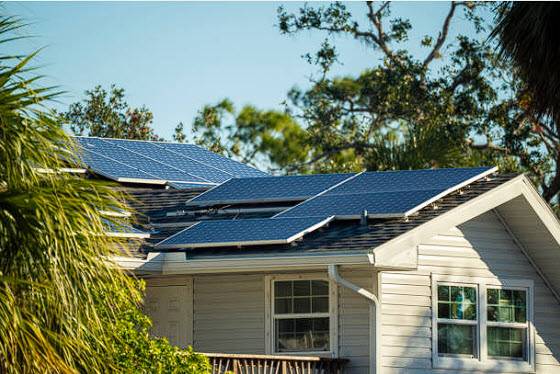
    Rooftop solar panels can significantly reduce grid electricity usage, but your electricity plan still matters. Solar feed-in tariffs determine how much you’re paid for excess kWh exported back into the grid.

    In QLD, feed-in tariffs are set by individual energy retailers rather than fixed by a national scheme. Rates vary widely, and higher export payments can sometimes be paired with higher usage charges.

    Comparing both usage rates and solar feed-in tariffs helps maximise overall savings. A balanced solar-friendly energy plan keeps import costs low while rewarding exports fairly.

    Queensland Electricity Rebates & Concessions

    Support programs in QLD can reduce electricity costs for eligible households. Rebates are applied directly to your electricity bill, lowering the amount payable.

    If you qualify, these programs can make a noticeable difference:

    • Electricity Rebate: Available to eligible pensioners and concession card holders, providing $386.34 per year (approximately $97 per quarter) to reduce ongoing electricity costs.
    • Cost of Living Support: The 2024-25 $1,000 Cost of Living Rebate has been replaced by a $150 Australian Government Energy Price Relief Plan rebate for 2025-26, paid in two $75 installments
    • Life Support Rebate: Supports households where approved medical equipment increases electricity usage.
    • Medical Cooling and Heating Rebate: Assists customers who rely on climate control for health reasons.

    Emergency Assistance: Short-term help for customers experiencing financial hardship or risk of disconnections.

    blue piggy standing on top of bill

    How to Save When Moving House on the Sunshine Coast

    Relocating is one of the easiest times to lock in cheaper electricity on the Sunshine Coast. If you connect power without comparing first, you may be placed on a standing offer linked to the reference price, which can cost more than competitive market deals.

    Before the keys are handed over, keep these savings steps in mind:

    • Compare electricity plans by postcode before your connection date to avoid default rates.
    • Arrange your connection at least three business days in advance to prevent delays or temporary disconnections.
    • Confirm there are no exit fees from your current energy provider.
    • Check for sign-up perks such as a bill credit for new customers.


    Switching Sunshine Coast Electricity Providers

    Changing electricity providers is simple, and your power supply through the Energex network stays the same. In a competitive energy market, switching gives you the chance to move away from higher pricing or lock in contracts that no longer suit your needs.

    When you’re ready to make the change, the process looks like this:

    1. Enter your postcode and usage details into GoSwitch to compare available plans.
    2. Review estimated annual costs, tariff structure and contract terms, including any lock in contracts.
    3. Select your preferred plan and submit your details online.
    4. Your new retailer manages the transfer, with no disruption to your electricity supply.

    Compare Sunshine Coast Electricity Plans

    Electricity prices across the Sunshine Coast can vary widely, and even small differences in usage rates or daily supply charges can add up to hundreds each year. Comparing plans now could mean securing the cheapest electricity available for your household or small business.

    Enter your postcode with GoSwitch to see tailored electricity plans in minutes, review estimated annual costs and switch online without hassle. We also help you compare gas options along with private health covers and internet plans across NSW, VIC, QLD, ACT and SA, so you can sort multiple essentials in one place without juggling different websites.

    Read our Reviews in TrustPilot

    FAQs

    The cheapest electricity supplier varies by postcode, usage patterns and tariff type, so there’s no single provider that beats all others statewide. GoSwitch compares every energy retailer in your specific Sunshine Coast location to show which provider currently delivers the lowest annual costs for your household.

    Smart meters record electricity usage in real time and allow pricing under time-of-use or demand tariffs instead of a basic plan. By reviewing your interval data through GoSwitch, you can see how peak and off-peak periods affect your electricity bill.

    Start by reviewing your annual kWh usage, tariff structure and daily supply charge before comparing electricity prices across multiple energy retailers. Using GoSwitch to compare full annual energy costs, including solar feed-in tariffs and rebates, helps you lock in a better deal quickly.

    Shifting heavy appliances to off-peak periods, installing solar panels, reviewing controlled load options and checking eligibility for rebates can all reduce electricity costs. Comparing your current electricity plan through GoSwitch also highlights pricing differences that may lower your energy bill immediately.

    Leave a Reply