Maximise Your Savings Before the
May Solar Battery Rebate Cut

It’s crunch time for Australian homeowners and small businesses thinking about solar battery storage. The federal government’s Cheaper Home Batteries Program is changing from 1 May 2026, and that shift will affect how much rebate you can claim on a new battery system.

With GoSwitch, you can move fast, understand all your options, and maximise savings before the rules tighten. Acting now could make a real difference to your upfront cost and long-term electricity bills.

What is the Solar Battery Rebate?

Published 10 February 202610 mins read

Australian households can reduce battery prices with rebates from the federal government and state programs. Different states have programs to help with the price of batteries. In NSW, the government ended upfront battery rebates in July 2025. Now, NSW provides help for people who join a virtual power plant (VPP).

How the Cheaper Home Batteries Program Fits In

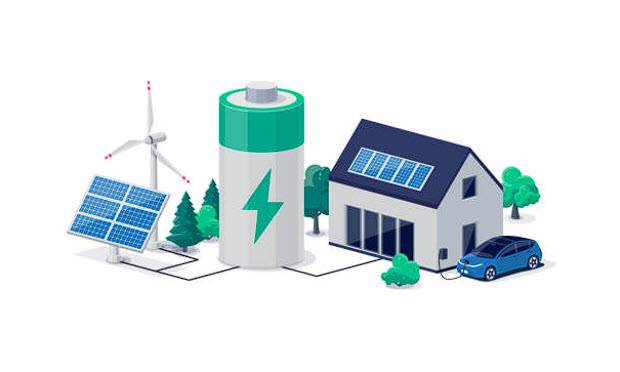
The Cheaper Home Batteries Program lowers the upfront cost of installing household batteries. It supports both new solar battery systems and upgrades to existing solar power setups, helping reduce energy bills and reliance during peak demand.

STC (Small-scale Technology Certificates)

The rebate is based on Small-scale Technology Certificates (STCs) under the Small-scale Renewable Energy Scheme. The number of certificates you receive depends on the usable capacity of the battery.

To be eligible for the rebate, your battery must have a capacity of at least 5 kWh and no more than 100 kWh. You can only receive certificates for the first 50 kWh of usable capacity.

You must use a worker with a license from Solar Accreditation Australia (SAA) to install the system. The Clean Energy Council (CEC) manages the list of approved battery products.

Energy retailer Savings

Major Rebate Changes Coming from 1 May 2026

From 1 May 2026, the federal rebate for solar battery systems will change. The main shift involves how STCs are calculated, and the rebate factor is expected to drop. That means less support per unit of battery capacity installed after the deadline.

The government’s goal is to keep the scheme sustainable as more people take advantage of it. For Australian households planning to install larger batteries, the next few months present the best value window. Waiting could cost you thousands in missed savings.
Rebate Amounts Adjusted by Battery Size

One of the biggest changes is that rebates will be tied to battery size brackets. Smaller systems may still get decent support, but larger batteries will likely see reduced value. Battery storage ranges like 0–14 kWh, >14–28 kWh, and >28–50 kWh will each be treated differently.

This structure means you’ll need to compare not just prices, but the best size for your usage. GoSwitch makes this easier by showing how different brackets affect total rebate and long-term energy bill savings. We’ll help you weigh upfront costs against performance.

Why Acting Before May Matters Financially

If you install before the May deadline, you lock in a higher STC rate and maximise your rebate. This can slash the cost of installing a new battery by thousands, depending on the system size. Once the changes hit, your eligible battery may qualify for less, even if it’s the same product.

For those in states offering stackable government rebates or interest-free loans, the savings are even greater. Acting now gives you better control over costs and peace of mind. With the help of GoSwitch, there’s no guesswork, just tailored options that fit your budget.

What Happens if You Miss the Deadline?

Installations after 1 May 2026 will still receive support, but not at the current levels. The rebate drop and banding structure will likely lower the value for most systems, especially larger batteries. This change can increase the payback period and reduce financial return over time.

You might also face greater competition for approved installers as the deadline nears. That’s why GoSwitch recommends securing quotes now and locking in today’s rebate while it’s available. Waiting could mean paying more for the same battery system with fewer benefits.

Who Is Eligible for the Solar Battery Rebate Program?

Wondering Can I get this rebate? Eligibility is broad, but there are specific criteria around property type, installer accreditation, and the battery system itself. Below are the eligibility rules across different areas most Australians ask about.

Key Federal Rules You Need to Meet

Qualifying for the federal solar battery rebate isn’t automatic, but many Australians will fit the rules if they meet core requirements:

  • Homeowners: Must own the property and have an electricity meter at the premises.
  • Small businesses: Eligible if the battery is installed at a commercial meter.
  • System size: Battery systems must be between 5 kWh and 100 kWh nominal capacity.
  • New battery: Must be new and not refurbished or second‑hand.
  • Solar system: Installed with a new or existing solar PV system at the same address.
  • VPP capable: On‑grid systems must be capable of joining a virtual power plant (VPP) at installation, even if you don’t enrol.
  • STC creation: The battery must be eligible to generate small-scale technology certificates under the SRES.

If you tick these boxes with an accredited installer, you’re well-positioned to get the federal rebate and reduce the installed cost. GoSwitch can match you with providers who know these rules inside out.

Battery Rebates Across Australian States

In addition to the federal rebate, many states offer extra incentives that stack with the national scheme. The combined savings can shift the economics of a system dramatically:

  • VIC: Victoria’s Solar Battery Loan program closed in May 2025. Victorian households can now only access the federal Cheaper Home Batteries Program.
  • WA: Western Australia’s Residential Battery Scheme gives upfront support for battery storage.
  • SA: South Australia does not currently have additional state battery incentives beyond the federal program.
  • NSW: New South Wales boosts rebates, including bonuses for VPP participation.
  • QLD: The Queensland Battery Booster Program is currently closed to new applicants. Queensland residents can access the federal Cheaper Home Batteries Program.
  • Other states: Several local councils provide solar and battery support tailored to community needs.

Stacking state and federal incentives can massively reduce your upfront cost and speed payback.

Homeowners vs Renters vs Businesses

Different groups qualify differently under the rebate scheme. It matters who owns the property and how it’s used:

  • Homeowners: Full eligibility if you own the property and have a valid solar system installation meter.
  • Renters: You might qualify with written consent from your landlord or through shared ownership arrangements.
  • Small businesses: Can access rebates for battery systems meeting eligibility criteria at commercial premises.
  • Community facilities: Some shared or non‑profit setups can also participate where meters are clearly assigned.

We make it simple to figure out which category you fall into and what that means for your solar battery savings.

Compliance Rules That Can Make or Break Your Rebate

It’s not just about the rebate. To qualify, your battery and installer must meet compliance standards:

  • Approved product list: Batteries must appear on the Clean Energy Council’s approved lists.
  • Accredited installers: Your battery installation must be handled by Solar Accreditation Australia-accredited technicians.
  • Inverter compatibility: The inverter must support the battery system and often VPP functions.
  • Warranty: Products and installation warranties typically influence long‑term value.

Working with GoSwitch means we connect you with providers who meet all compliance and accreditation requirements, cutting through complexity.

How Much Can You Save With the Solar Battery Rebate?

The rebate’s value can vary widely depending on battery size, how the STCs are calculated at installation, and whether you combine state incentives.

For a typical 10 kWh battery, the rebate can lower your up‑front cost by thousands of dollars and speed up payback on your energy investment. With Australia’s rising electricity bills, stored solar power can shift more of your consumption away from the grid and into your own battery storage.

For larger systems, savings before May can be significant, but after that, the tiered rebate means the value per kWh battery of usable capacity may drop. Even with changes, rebates will continue through to 2030 and combine with lower everyday costs and potential tariff advantages.

Couple thinking together to come up with wisest decision

How to Claim the Solar Battery Rebate Without the Stress

Getting the rebate is normally straightforward, as installers handle most of the paperwork. Here’s the process in simple terms:

  1. Choose a reputable accredited installer and request quotes.
  2. Confirm your eligibility with provider guidance.
  3. Your installer calculates the rebate and applies it as a discount to your quote.
  4. Complete your battery installation and any paperwork with your installer.
  5. Start generating savings on your electricity bills once your new system is active.

GoSwitch simplifies every step. Our vetted installers help you manage eligibility requirements and get the best possible rebate.

Compare With Us

Can You Combine Federal and State Battery Rebates?

You don’t have to pick only the federal rebate. Many Australians combine the Cheaper Home Batteries rebate with state and territory schemes to boost savings.

For example, in NSW, you might pair federal support with state payments for VPP participation, while WA offers schemes that cut costs even more. Stacking incentives maximises savings and lowers your installed cost, so your system pays back faster.

GoSwitch compares all these options and maps the best financial outcomes for your situation

Take the Next Step Towards Smarter Energy Savings

There’s real urgency to complete your solar battery installation before 1 May 2026. After that date, rebate calculations change, and the most generous incentives become harder to secure.

With GoSwitch, you get tailored solar plan comparisons, accredited installers, and support every step of the way. Act now to lock in strong savings, lower your electricity and energy bills, and future‑proof your home energy with a battery system that fits your needs.

Read our Reviews in TrustPilot

FAQs

Yes, the Australian government provides a solar battery rebate under the Cheaper Home Batteries Program, offering discounts roughly equal to 30 per cent of the installed cost through STCs. GoSwitch can help you check eligibility criteria and connect you with accredited installers who apply the rebate at point of sale.

The final cost depends on battery size, installer pricing and stacking state incentives, but many households see thousands in savings off the upfront cost of a battery system. GoSwitch compares rebates and installers so you understand exactly what you’ll pay after discounts.

Western Australia’s battery scheme provides extra support on top of the federal rebate for eligible households in WA. These incentives can cut total costs more deeply and reduce payback times. GoSwitch tracks these schemes so you get full value when you install.

If you install a battery on or after 1 May 2026, you will get a smaller rebate. On this date, the STC factor drops from 8.4 to 6.8. From 1 May 2026, a tiered system will start. You receive the full rebate for the first 14 kWh of capacity. Any capacity between 14 kWh and 28 kWh will receive a lower rebate amount for each kilowatt-hour.

Yes, adding a battery to an existing solar panel system generally qualifies for the federal rebate and often state incentives, too. GoSwitch guides you through eligibility checks and compatible products for your current setup.

Yes, off‑grid battery systems can still qualify for rebates if they meet compliance and accreditation rules. GoSwitch’s network includes installers familiar with off‑grid setups, so you don’t miss out on potential savings.