Electricity Comparison in South Australia

South Australians pay the highest energy prices in the country, and many are on plans they haven’t reviewed since the day they signed up. A free electricity comparison in South Australia with GoSwitch takes a few minutes and often turns up a better deal. There’s no lock-in and no obligation to switch.

Are You Overpaying for Electricity in South Australia?

Published 9 July 20267 mins read

If you’re a South Australian on a standing offer, you could be overpaying. ESCOSA’s 2024-25 retail price comparison report found customers could save between $10 and $470 per year. Most customers on standing offers haven’t compared what else is available.

Those savings exist because market offers sit below the AER’s Default Market Offer reference price. GoSwitch holds a 4.7 Excellent Trustpilot rating from over 13,844 reviews. It finds competitive market offers for your SA postcode in minutes, for free.

Who Supplies Electricity in South Australia?

SA Power Networks is South Australia’s sole electricity distributor. It manages the poles, wires, and meters that deliver power across the state. Retailers are separate electricity providers that compete on price, plan features, and incentives.

Both residential customers and small business owners in SA can freely choose and switch between energy retailers. GoSwitch compares plans from major SA retailers side-by-side for both households and small businesses. Current retailers in the state include:


What Is the Average Electricity Bill in South Australia?

The AER’s 2025-26 Default Market Offer reference price for SA is $2,301 per year, based on 4,000 kWh on a single-rate tariff. EnergyPlans data from April 2026 puts the average electricity bill at approximately $1,580. The lower figure reflects what customers on competitive market offers actually pay.

SA’s average usage rate is around 32.1c/kWh, with a daily supply charge of approximately $1.12. That supply charge applies regardless of how much electricity you use. GoSwitch factors in usage rates, supply charges, exit fees, and rebates together, not just the headline rate.

Compare Electricity Providers

Compare Plans in Seconds – Just Choose Your State, Network, and Tariff
Provider Contract Length Key Features Estimated Annual Cost

Please enter your postcode

    Why Are Electricity Prices So High in South Australia?

    SA’s electricity grid covers one of Australia’s largest distribution areas but serves fewer customers than other states. That means network costs spread across a smaller base, so each household carries a larger share.

    Gas-fired generation sets the wholesale electricity price up to 90% of the time, despite supplying only a fraction of total generation. Extreme summer heat drives peak evening demand just as solar output drops and prices climb.

    The AER confirmed SA’s default energy prices rose 2.3% to 3.2% from 1 July 2025. That adds approximately $71 a year to household bills. GoSwitch breaks down these costs in plain language so SA households can compare plans with confidence.

    Confused man scratching his head while using a laptop to compare options online.

    Who Sets Electricity Prices in South Australia?

    The Australian Energy Regulator sets the Default Market Offer, the regulated price benchmark for customers in SA, NSW, and South East Queensland. It reviews this benchmark every 1 July. The Essential Services Commission of South Australia monitors retail conduct and retailer compliance with billing and customer protection rules.

    Retailers set their own market offer prices within this framework. That competition is what produces savings for SA customers. GoSwitch reflects this regulatory framework and is a credible, compliance-aware comparison resource for South Australian energy customers.

    What Tariff Types Can SA Households Choose?

    SA households can choose between four tariff types, and the right choice affects what you pay on your bill. GoSwitch generates tailored recommendations based on your usage patterns, appliances, and time-of-use behaviour, not a generic list. Each tariff type suits a different usage profile.

    • A single rate tariff (flat rate or basic plan) charges one usage rate at all hours, suiting homes with steady consumption.
    • A time-of-use tariff charges different rates across peak, shoulder, and off-peak periods, best suited to smart meter households that shift appliances.
    • A controlled load tariff applies a lower off-peak rate to dedicated circuits like electric hot water systems, without changing the main tariff.
    • A demand tariff adds a demand charge based on your highest electricity use during a set peak window.
    Couple thinking together to come up with wisest decision
    twilight power lines over sun set

    How Does Solar Feed-In Work in South Australia?

    SA has had no minimum feed-in tariff since ESCOSA removed the regulated rate in January 2017. Retailers now set their own rates, with 2026 figures ranging from 3 to 10 cents per kWh. That low range reflects SA’s high solar panel penetration, which pushes down the value of daytime exports.

    That makes self-consumption the smarter play. Avoiding a 32c/kWh grid import saves three to six times more than earning 5c/kWh on exports. Comparing usage rates alongside solar feed-in tariffs gives a clearer picture, and GoSwitch does both together for SA solar households.

    What Electricity Rebates Are Available in South Australia?

    SA government rebates can reduce your electricity costs, and each one counts when comparing plans. GoSwitch includes rebate and concession details so all South Australians can compare with the full picture. These are the current SA rebates.

    • The Energy Concession provides up to $281.78 per year (2025-26 rate, indexed annually) as a daily bill credit. Eligible card types include the Pensioner Concession Card, Health Care Card, Low Income Card, and Veterans’ Affairs Gold Card.
    • The Medical Heating and Cooling Concession offers up to $281.78 per year for households where a doctor-certified condition requires extra heating or cooling.
    • The Cost of Living Concession pays $261.90 in 2025-26 via EFT to eligible low and fixed-income households.
    • The Australian Government Energy Bill Relief Fund ended 31 December 2025, and the two $75 credits totalling $150 are no longer available. Visit the Concessions SA page at sa.gov.au to check your eligibility.
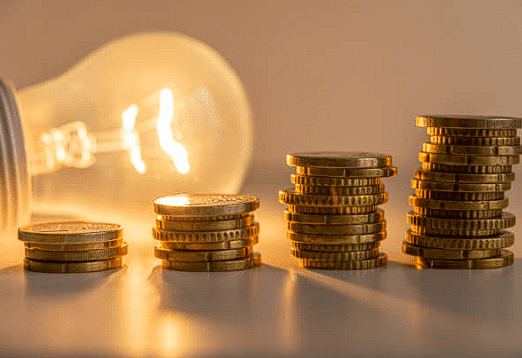
    Glowing light bulb beside coin stacks for saving electricity and reducing energy costs.
    Mature couple filling application forms together

    How to Compare and Switch Electricity Plans in South Australia

    Switching electricity plans in SA takes under five minutes with GoSwitch. There’s no obligation to switch, and a GoSwitch energy specialist follows up with tailored advice.

    1. Enter your SA postcode to see available plans for your area.
    2. Add your energy usage in kilowatt hours, tariff type, and whether you have solar panels.
    3. Review estimated annual costs and check usage charges, exit fees, direct debit requirements, conditional discounts, and benefit periods.
    4. Select your preferred plan and read the plan information document before signing up.
    5. Your new energy provider arranges the transfer through SA Power Networks with no supply disruption.

    Renters can switch if the electricity account is in their name, not the landlord’s. GoSwitch also helps customers moving to SA set up plans before move-in day.

    Compare your SA electricity deal with GoSwitch today. We serve NSW, QLD, VIC, and ACT too, and one comparison tool handles electricity, natural gas, internet, and health insurance.

    Read our Reviews in TrustPilot

    FAQs

    The cheapest electricity supplier in SA varies by household, because your postcode, tariff type, and actual usage all affect the final cost. A plan that saves one family hundreds each year could cost another more, so comparing full annual costs matters more than chasing a brand name.

    AGL and EnergyAustralia both compete for SA customers in an open energy market, but neither is the better choice across the board. The answer shifts depending on your energy use, tariff type, and what sign-up deals each is offering new customers at the time you compare.

    Your electricity bill combines a fixed daily supply charge with a usage cost that rises and falls with how much power you consume. Use more electricity over summer, for example, and that usage portion climbs while the daily supply charge stays exactly the same.

    SA electricity plans differ on extras, and some retailers include sign-up bill credits, pay-on-time discounts, and renewable energy options like GreenPower. Gas plans and solar feed-in tariff rates also vary between retailers, so what looks similar on price can play out differently on your bill.

    Leave a Reply